
The 2018 Media Impact Forum
The 2018 Media Impact Forum
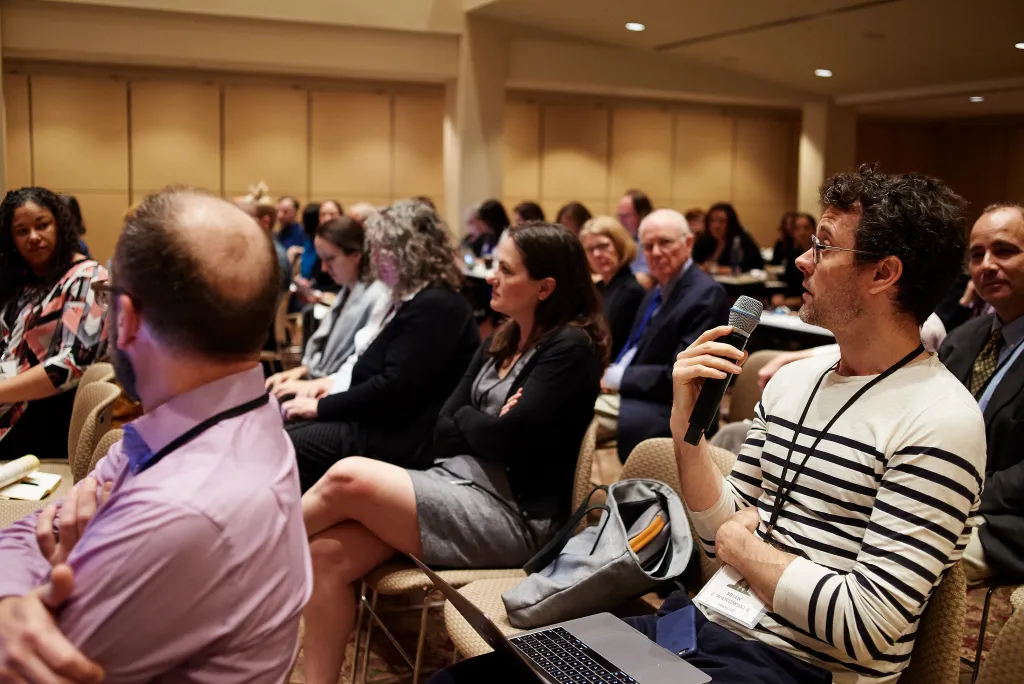
On May 10, we convened our annual Media Impact Forum at the American Philosophical Society—the home of America’s oldest learned society—in Philadelphia. From its earliest days, the American republic has relied on scientific inquiry to propel our nation forward, in all facets of our life–in commerce, national defense, social policy and creative expression, among many other areas. The meeting helped philanthropy focus on the special role of science in our national debates, the importance of sharpening the communications of science, and broader issues about understanding how and when communications and storytelling make a difference. Below, you’ll find video clips of each session. If you want the highlights, check out the thread we made for Twitter Moments. Or just read the notes here. And here are some more in-depth impressions from those who were there: One of our speakers, Ethan Zuckerman, director of the Center for Civic Media at MIT, posted his entire talk over on Medium. The gist? That Benjamin Franklin, in response to polarization and fake news, would say that these are not even remotely new concepts. Independent consultant Louise Lief wrote a nice recap for the Knight Foundation’s Trust, Media &… Read More
May 10, 2018
–
- Nina Sachdev
How popular culture can elevate the public’s understanding of science
We know that science is at the center of contentious debate on a number of issues such as climate change and vaccine safety. But if The Big Bang Theory—America’s most popular sitcom about a group of lovable physicists—is a testament to anything, it’s that science is also a welcome and inescapable part of people’s lives. And funders who care about science and civic life want to make sure this positive trend continues. The question is: How do we continue reaching new and diverse audiences with science content that sparks curiosity and learning? Read More
April 13, 2018
–
- Nina Sachdev