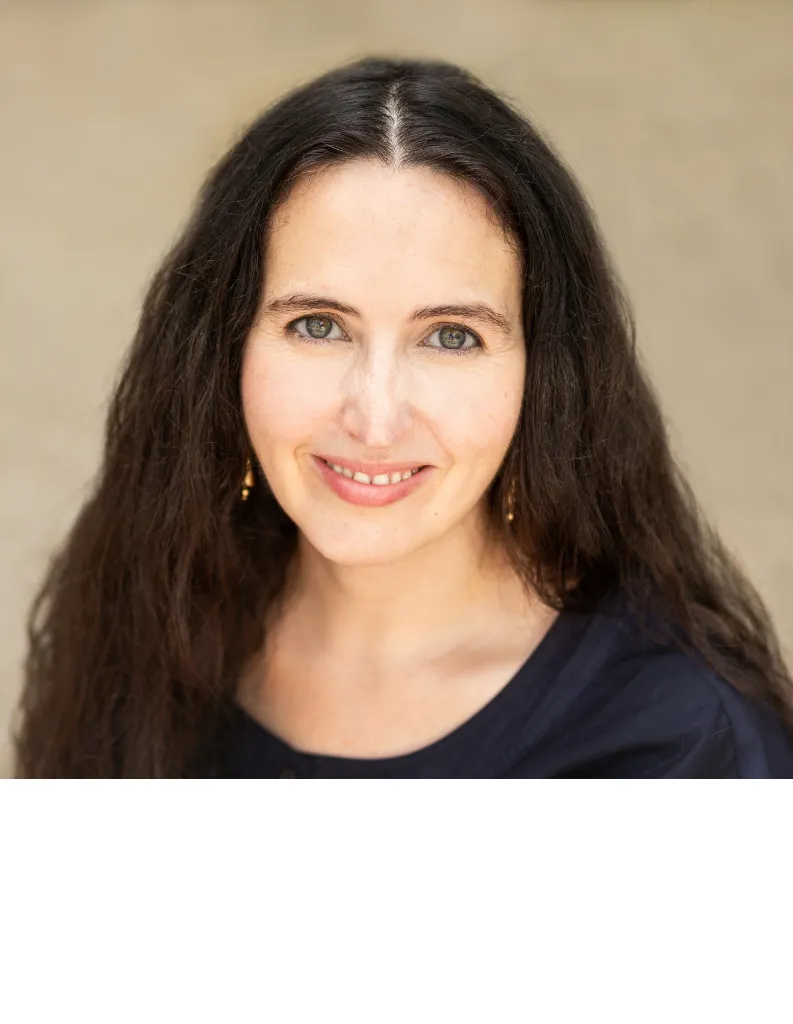
A letter from our executive director: One year of listening, learning and building at MIF


You might say I started my journey as Executive Director of Media Impact Funders at an inauspicious time. Congress had just rescinded funding for public media and in the preceding months we’d seen massive federal funding cuts across USAID, science, arts and humanities. And of course all this played out as we grappled with the massive disrupting force that generative AI poses to the field.
I was tremendously grateful for the opportunity to help steer an organization positioned to have outsized impact at a critical moment—and frankly I was also somewhat overwhelmed by that same opportunity.
Luckily, I was fortunate to encounter an old friend whose advice was strident and simple: Start by listening. I was smart enough to recognize wise words, and I began my MIF tenure with a robust listening tour of more than 100 stakeholders—and in many ways that tour never ended. I still spend vast amounts of time on zoom, on the phone or over coffee, hearing from different media funders about what’s working or not working, what they’re most excited about or terrified to tackle.
These conversations not only have helped us build the strategy that’s carried MIF through this first year of a new chapter, they also remind me constantly of the extraordinary creativity, insight and generosity within our field. Listening to our members helps me remember that in spite of the enormous stakes of this work and threats looming, we also have significant and exciting opportunities to work together in building something new and better.
In those early months, the first thing I heard was the fractured and siloed nature of the field. Not only do documentary and journalism funders rarely compare notes, even within the same areas, funders don’t have enough opportunities to learn from each other, let alone collaborate. At the same time, I heard funders asking for more tactical support—opportunities for funding, peers with experience funding in one area or another and more.
Media Impact Funders was already well known for its Media Impact Forum and annual Journalism Funders Gathering, and the range of funders who participated, including those from local news, documentary, creators and even new technology to support platforms and tools. We also knew amidst the dramatic changes rippling across our sector, MIF would need to make some important changes to be the organization our field needs.
Rather than hosting two events, we decided to lean into one big convening—our Media Impact Forum—as the place where we would bring together funders from across different issue areas to learn and work together. This year’s sold-out Forum held at KQED buzzed with energy thanks not only to a line up of thoughtful and compelling speakers but also because funders focused respectively on documentary, technology, local news and issue-specific journalism had the opportunity to find common threads within their work.
This decision was part of our broader effort to define and advocate for our field broadly, building a stronger sense of collegiality and coalition for funders whose work is often siloed. Based on our listening and experience, we identified four key thematic pillars with relevance to funders across this broad field, and use them to structure our calls, our small groups and tools and even our Forum sessions. As a non-grantmaker, we have a unique vantage point seeing so many different corners of the field, including technology, journalism in its many forms and functions, as well as documentary film and other storytelling. By identifying these key topics, we hope to prompt exploration and facilitate conversations that progress into action.
We also know that urgency requires expeditious action, and we’re committed to supporting our members in service to their goals and priorities. We have adopted a member stewardship model, devoting staff time to more frequent member check-ins and actively looking for relevant opportunities to engage.
To aid members in moving resources more quickly, our membership manager Shannon Thomas has taken the lead in building a resource library—organized around our key pillars—that offers resources from across the field including our original tip sheets, toolkits and more. We update the library frequently and it not only provides information, it further helps our members connect with colleagues whose research or analysis they might not otherwise see. Don’t have a login yet? You’re missing out! Email Shannon to get yours!
This fall, we’re starting our first series of learning initiatives, based on the discussions and feedback we received from the Media Impact Forum. These small groups of funders are designed to be time-bound and outcomes-based collaborations for members to work together on specific topics and themes, providing opportunities for our members to build tools, collaborate on strategies as well as identify new opportunities for funding and co-funding. We’re excited to report back to our broader community on this work.
Lastly, we believe this field isn’t big enough. We need more funders and more funding to address the needs and opportunities this moment presents.
Under the leadership of our Deputy Director Nina Sachdev, we’re developing a media grantmaking curriculum built around funders’ priorities and goals. Designed to help funders explore the myriad ways they can participate in media grantmaking—from local journalism and public media to documentary film, narrative research and promoting trusted messengers—the curriculum focuses on finding the right entry point based on a funder’s existing work. It’s already found an audience: In June, we piloted it as a workshop for more than 50 health funders at the Grantmakers in Health annual conference, and this October we’re delivering it to funders at the Philanthropy Southwest annual conference.
Alongside this curriculum, we’re also continuing to build community. A new grant from the Robert Wood Johnson Foundation is helping us launch a Science & Health Media Funders Network, designed to build community among health and science funders who often work in isolation from one another, to provide context on gaps and opportunities in the field, and to foster the kind of collective action that’s needed to meet the moment. And with support from the Rita Allen Foundation, a Civic Science Fellow will be embedded in the network to translate research into practical guidance.
The stakes for independent, good-faith media are very high and we know the pressure funders face from so many directions. Over the coming year, we will focus on strategies to grow and strengthen the media funding community and we want our members to show up, share and debate. We will not always agree, nor do we need to. But through these exchanges, we can build relationships with new colleagues and partners—and draw courage from one another when we most need it.
For my part, I have been lucky enough to work with the deeply committed staff at Media Impact Funders and a board that has stood behind us each step of the way. I cannot thank them enough for all they’ve done to bring these efforts to fruition.
As we look to the year ahead, I’m proud not only of the work our team has done over these past 12 months; I’m also mindful that it’s only possible because of our community’s willingness to engage, to grapple with difficult questions and generously share knowledge. Thank you for being in this important work with us. I’m looking forward to continuing to move our field forward together.