
WATCH: Science journalism & going beyond the data

WATCH: Science journalism & going beyond the data
Scientific inquiry is being challenged as never before, and science denialism is increasingly prevalent, as efforts to propagate misinformation and disinformation grow more prominent. To reclaim and support the essential role of science in our society, funders are continuing to respond with a variety of grants that support the communication of science. In this webinar, we heard from: Richard Stone, senior science editor at HHMI Department of Science Education, and Jonathan Fahey, health & science editor at the Associated Press, on expanding their collaboration to support health and science reporting over the next three years. In fall 2019, the AP announced “What Can Be Saved?”, a series of multimedia stories that followed several intense efforts around the world to save or revive ecosystems. Indre Viskontas, neuroscientist and podcast host of Inquiring Minds, about using podcasts as a vehicle for educating the public on complex scientific information and its impact. Rachael Strecher, senior director of Storytelling Grants, Programs and Fellowships at the National Geographic Society, who will give us a preview of the National Geographic’s 2020 Storytellers Summit, a conference that brings together photographers, writers, filmmakers, illustrators and journalists to celebrate the art… Read More
January 8, 2020
–
- Media Impact Funders
WATCH: Funding environmental journalism—the landscape, best practices & new projects
This month’s journalism webinar marked the second in a series exploring innovative ways to fund reporting on science, health and the environment. This time, we looked at the field of environmental reporting and heard about successful partnerships and scalable models. Read More
July 31, 2019
–
- Nina Sachdev
Impact spotlight: Sea of Shadows
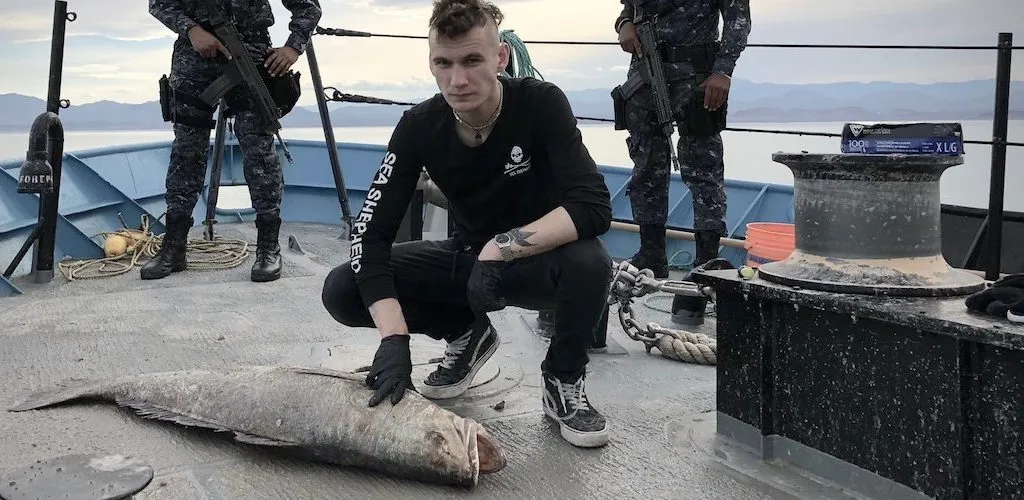
Last week, in collaboration with Philanthropy New York and the Environmental Grantmakers Association, we held a special screening and discussion of the award-winning film Sea of Shadows, a new film by National Geographic that serves as a blueprint for how a conservation effort can come together in spite of widespread institutional corruption and dangerous cartels.
In the Gulf of California, totoaba fish are being illegally overfished by Mexican cartels and Chinese traffickers because of a belief among some in China that their bladders possess healing powers. But the deadly methods of harvesting totoaba, also a critically endangered fish, are threatening to wipe out the vaquita—the world's smallest whale. In fact, it's estimated that fewer than 15 vaquitas remain. Sea of Shadows follows undercover investigators, environmentalists, journalists and the Mexican Navy in their efforts to rescue the vaquita from total extinction. Read More
July 26, 2019
–
- Nina Sachdev